
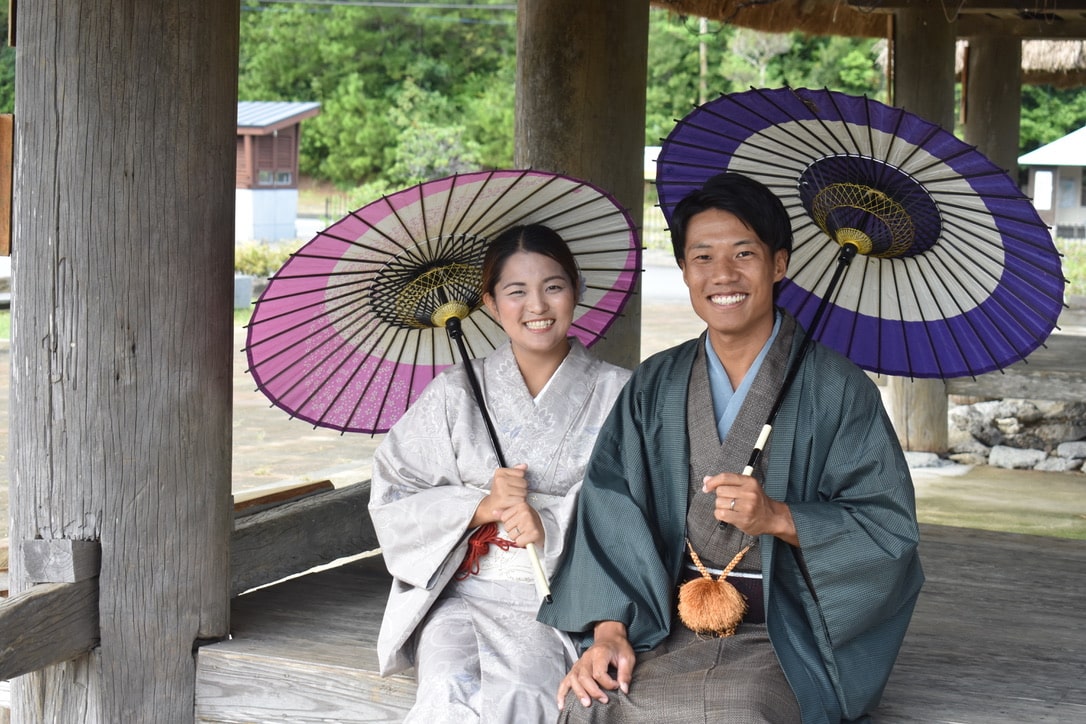
A Treasure of Amami
When people think of Japanese textiles, they often imagine bright kimonos or colorful obi.
On the remote Amami Oshima Islands in southern Japan there is a very different cloth which is called Oshima Tsumugi textile.
It is a finely woven silk fabric that shows the skill and patience of the island’s artisans.
This article introduces the history, techniques and cultural importance of Oshima Tsumugi and suggests ways to experience it when you visit the islands.
What Is Oshima Tsumugi?
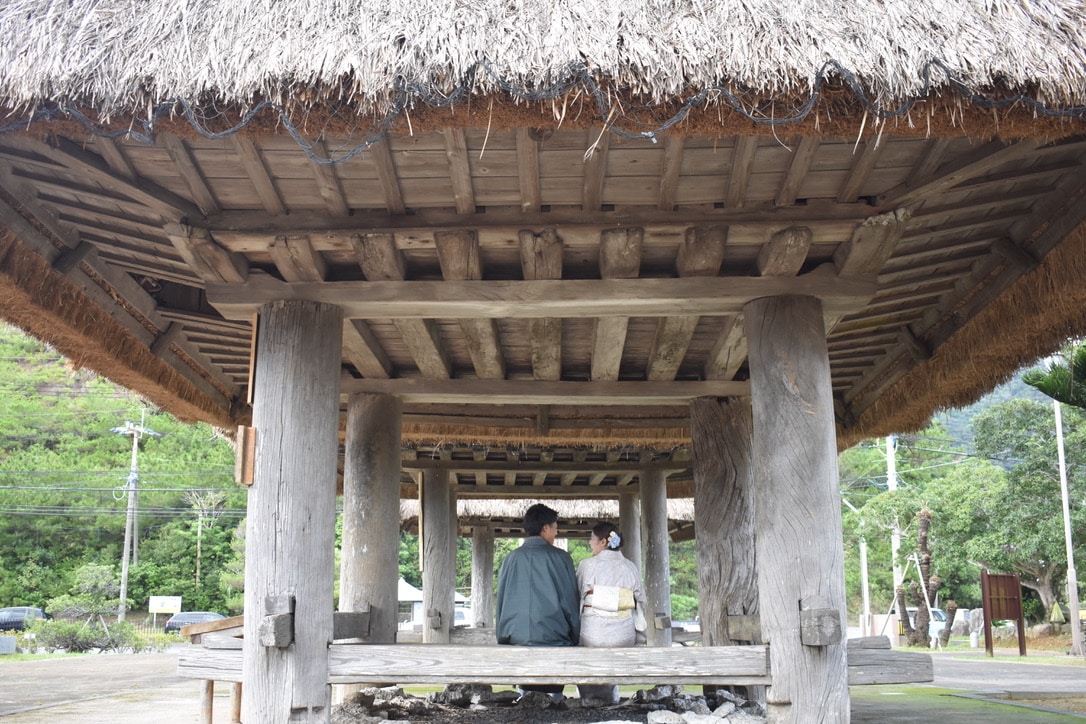
Oshima Tsumugi is a type of silk pongee. The resulting textile is soft, matte and has a subtle shine. Amami’s version of this fabric is famous in Japan. Traditional patterns are created by tying bundles of silk threads in a planned pattern, dyeing them and then weaving them by hand.
Each 13‑meter roll can contain over a million tiny dots that form the pattern. The fabric is so highly regarded that people often compare it to Persian carpets and Gobelin tapestries. Oshima Tsumugi is a strong and beautiful fabric with a deep black color, light and soft to wear, and easy to keep wrinkle-free.
Local families pass down clothes made from it through generations.
The fabric is known to last for at least three generations.
A Long History on the Islands
The craft of Oshima Tsumugi is over 1,300 years old. Textiles using similar techniques were probably introduced from India, but Amami’s artisans developed their own style. By the late Edo period (1603‑1867) Oshima Tsumugi had become a specialty of the islands. Islanders had to supply the fabric to the Satsuma domain as a type of tax. After 1879, this heavy burden ended, and many women continued to weave at home to support their families. The importance of the cloth grew and today it is considered one of the great textiles of Japan.
Dyeing and Weaving
Creating Oshima Tsumugi takes a long time and many steps. Patterns are first drawn on paper to guide how the threads will be dyed. Bundles of silk threads are tied according to this pattern and dyed repeatedly.
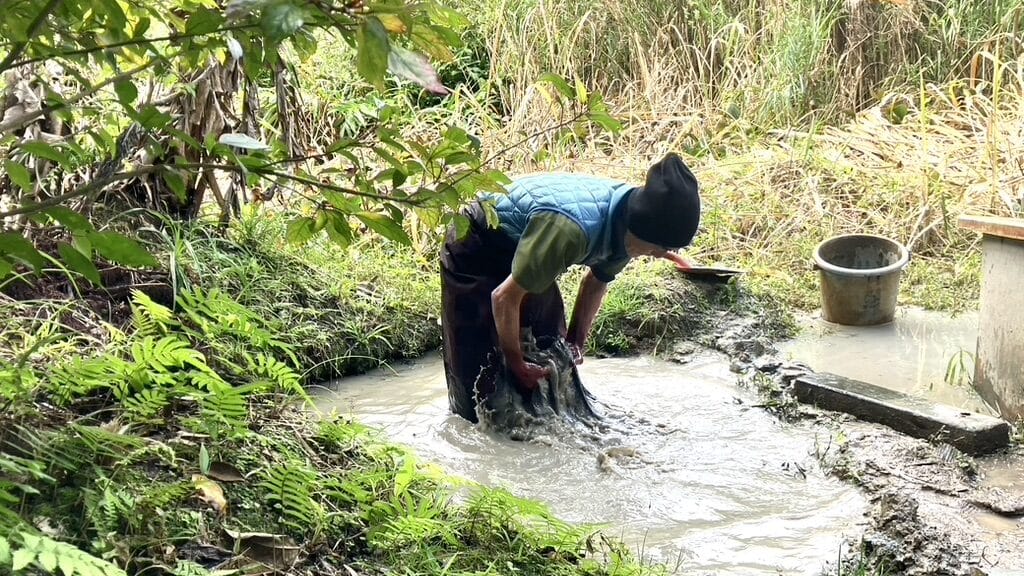
Techigi‑dyeing uses dye from the sharinbai (Yeddo hawthorn) plant, artisans dye the threads 20 to 80 times with this plant dye. They then dye the threads once with local mud. This process is called mud dyeing (dorozome). The tannin in the plant dye reacts with the iron in the mud to produce the deep black color that makes Oshima Tsumugi famous.
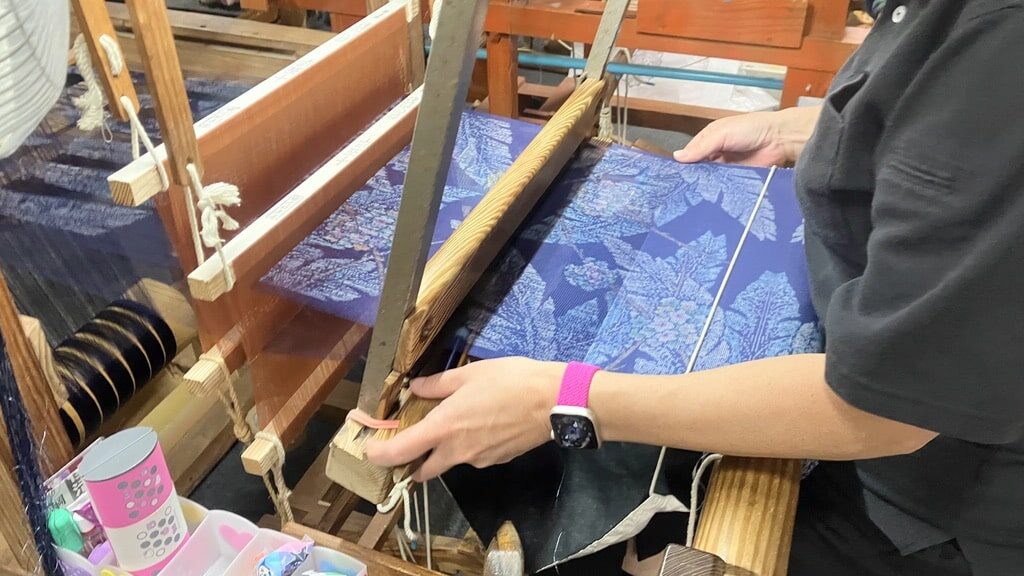
After dyeing, the bindings are removed and the threads are carefully prepared for weaving. Weavers use a hand‑operated loom to warp the dyed threads onto the loom. They align the patterned threads precisely before weaving. Because the warp and weft threads are woven in a way that matches the pattern, weavers can make only about 30 centimeters per day. One roll of fabric takes forty to fifty days to weave or about two months according to some workshops.
Each finished roll is inspected and given labels to certify that it meets quality standards. A special label featuring a globe distinguishes authentic Amami Oshima Tsumugi from fabrics made elsewhere. Today this silk is used not only for kimonos but also for wallets, phone cases, clothing and small souvenirs.
Experience Oshima Tsumugi in Amami
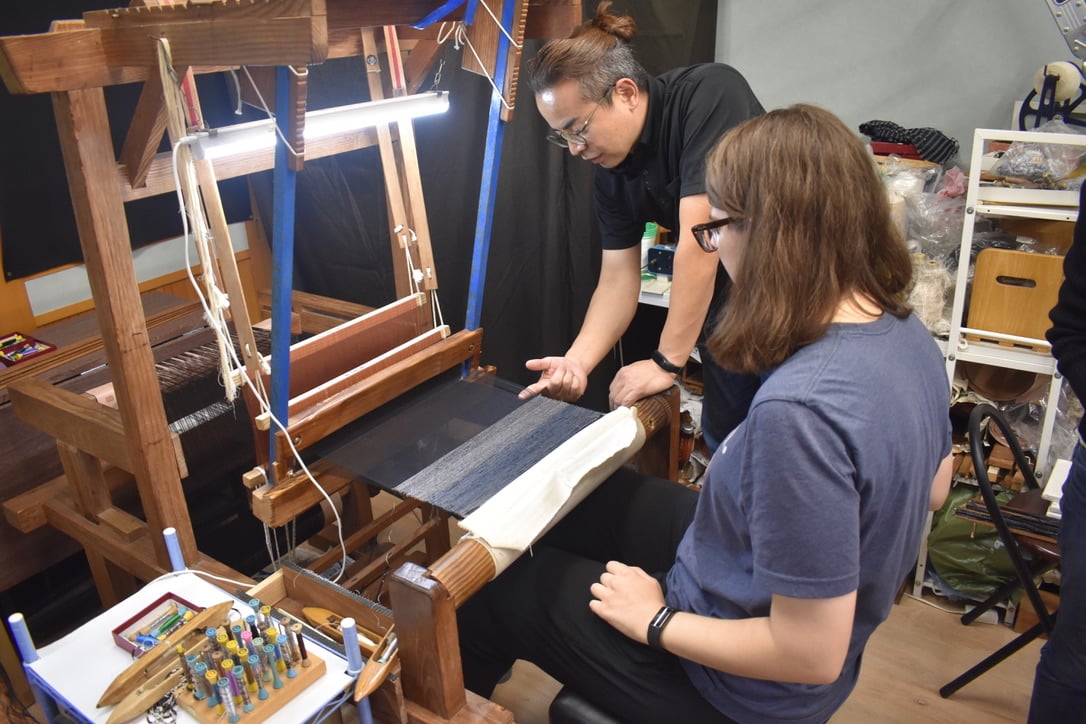
Seeing pictures of the fabric is not enough, to truly appreciate Oshima Tsumugi you should see how it is made and feel the fabric in your hands. Many local craftspeople still work at home. Several places welcome visitors who want to learn about Oshima Tsumugi.
In Link Adventures’ cultural tour, you can experience Oshima Tsumugi with full English support. Try the unique mud-dyeing process, where silk threads are carefully dyed in the island’s iron-rich mud. Watch and practice weaving on the traditional loom, guided by skilled artisans. You can also enjoy a kimono dressing session, learning how to wear Oshima Tsumugi in the authentic way. With an English-speaking guide by your side, every step is easy to understand and enjoy.